Slöyd Experience
Where our education system slacks, the Scandinavians’ excel.
This traditional woodworking program has been praised throughout two centuries for rearing independent and responsible citizens. We are part of the vanguard reviving this forgotten pedagogical system in the U.S.
This broken box represents the gap in our children’s education that we seek to fill.
We are thrilled to have your family participate in this unique educational experience. As you continue with the program, you will find this is not simply woodworking for children.
Slöyd Experience helps provide an educational completeness to children through the linkage of the hands, head, and heart.
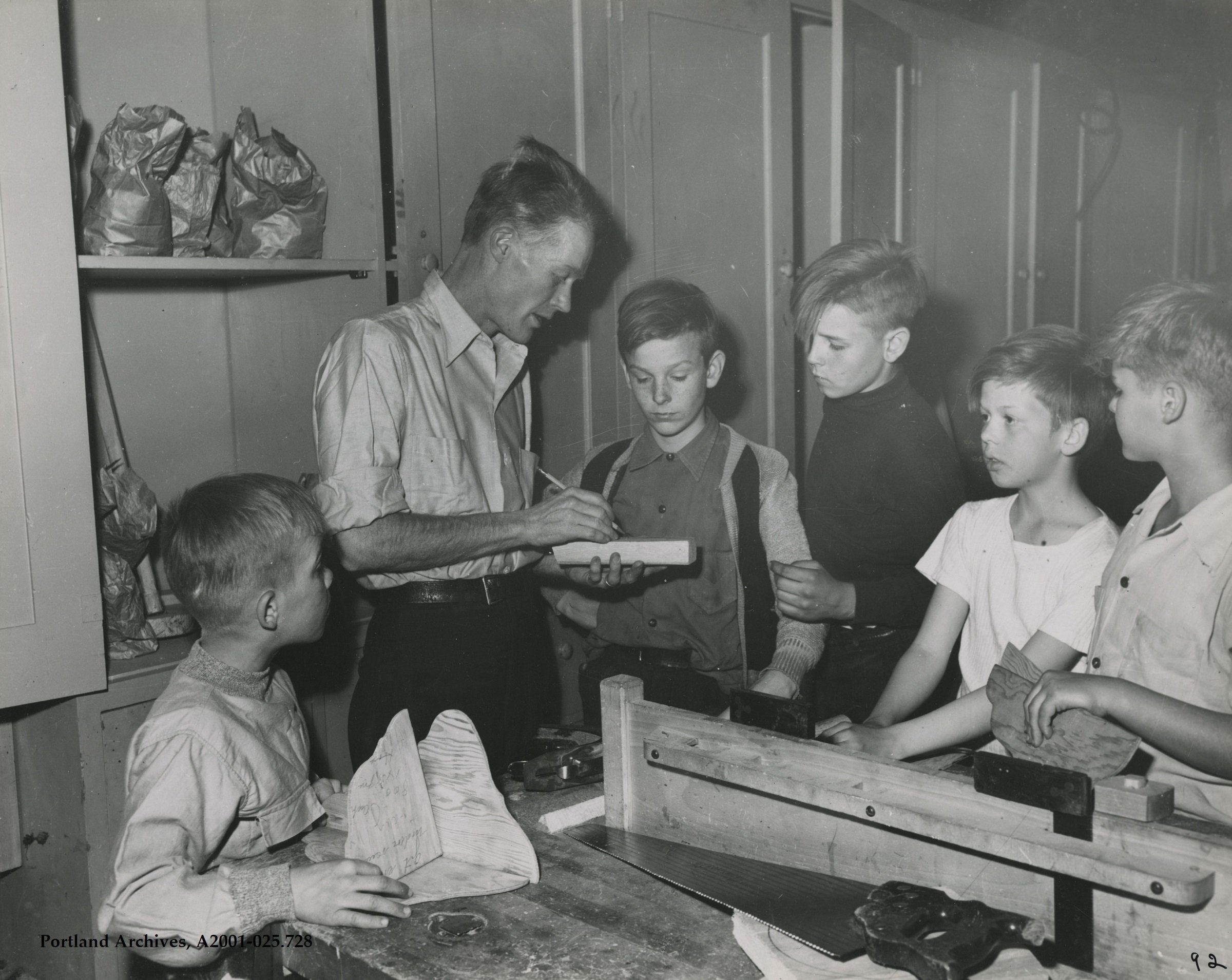
Portland City Auditor Records A2001-025 P/542 circa 1944 - Boys in woodwork club, one of Vanport schools extended service programs, with teacher
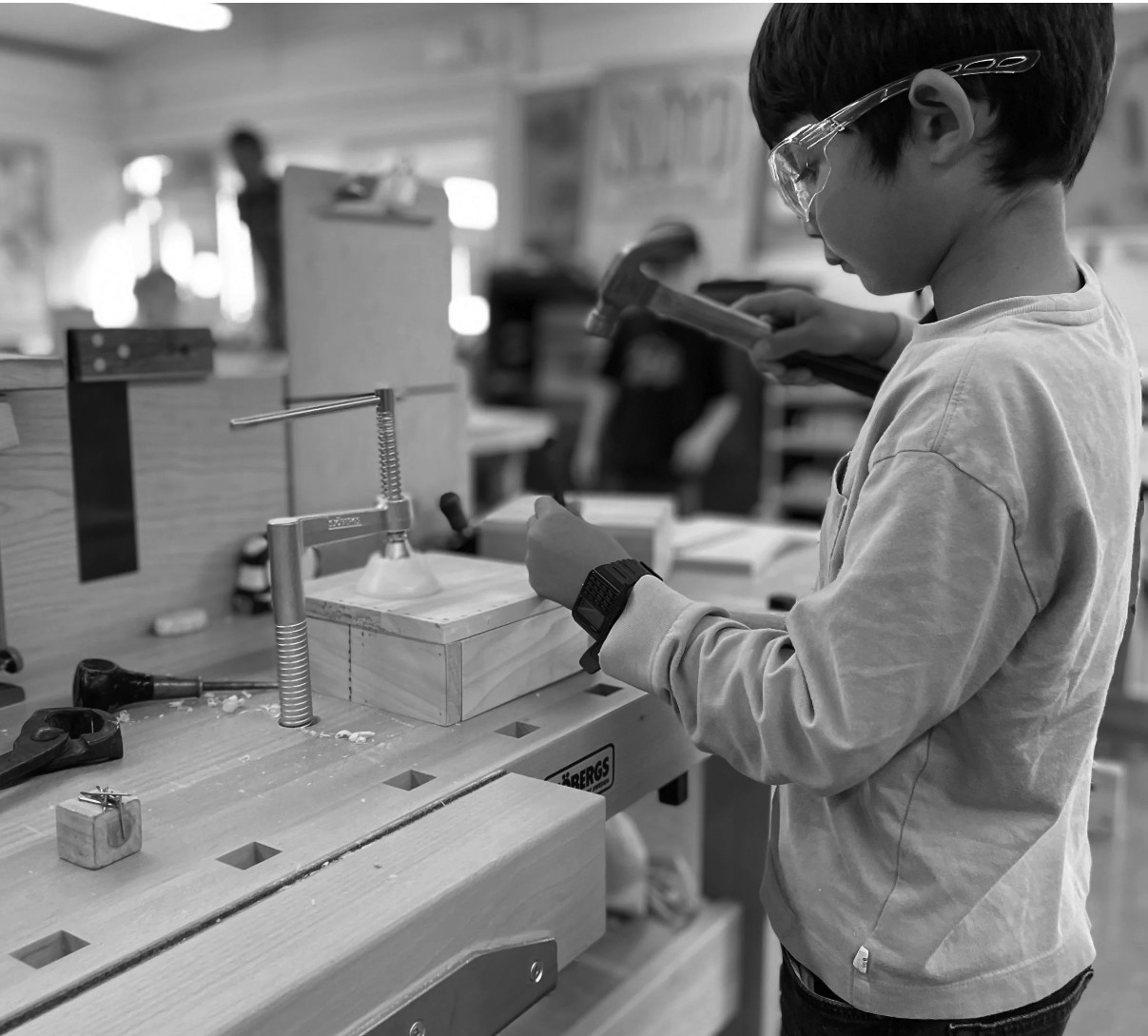
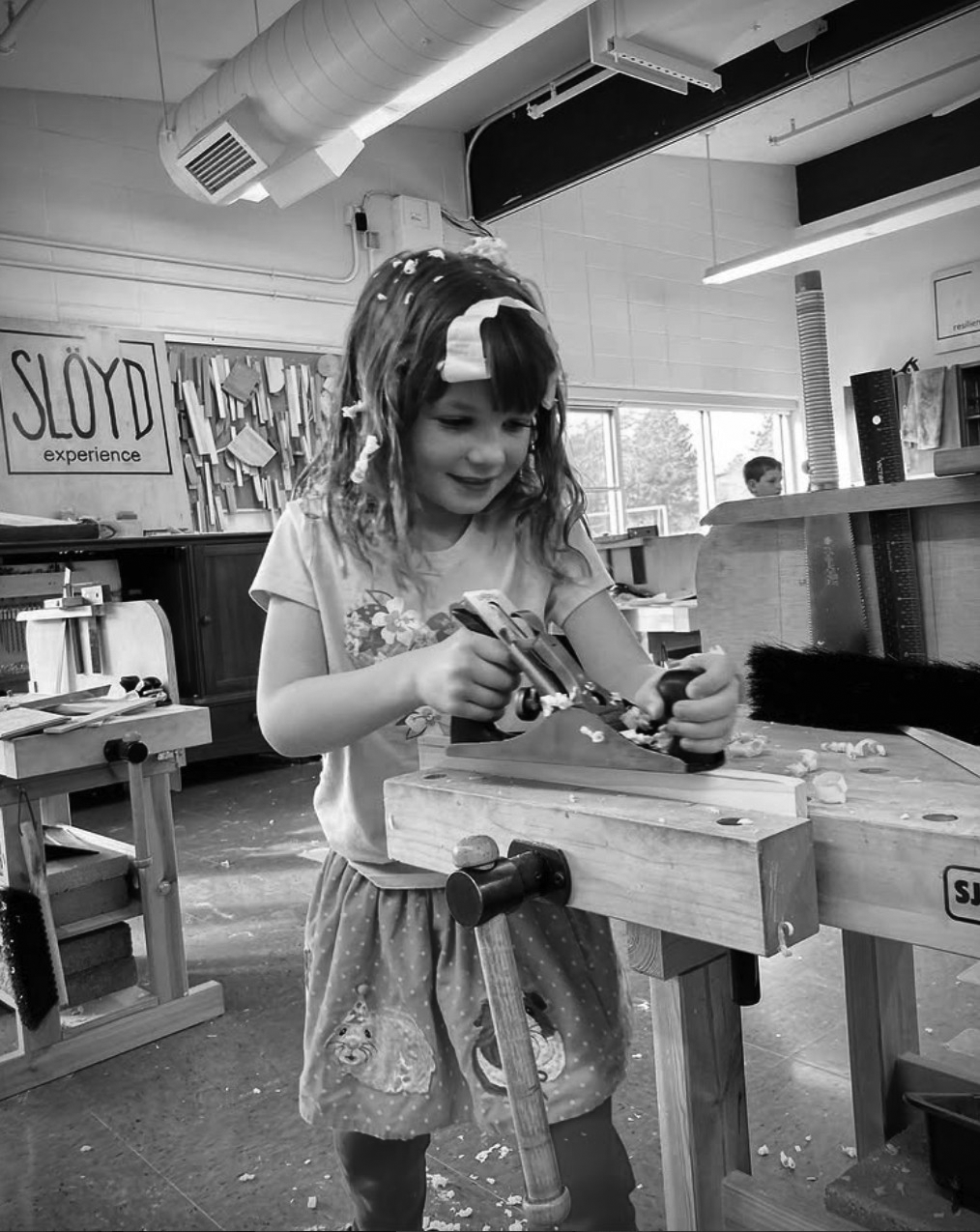
“Slöyd makes me feel proud.”
“I learned how to have fun!”
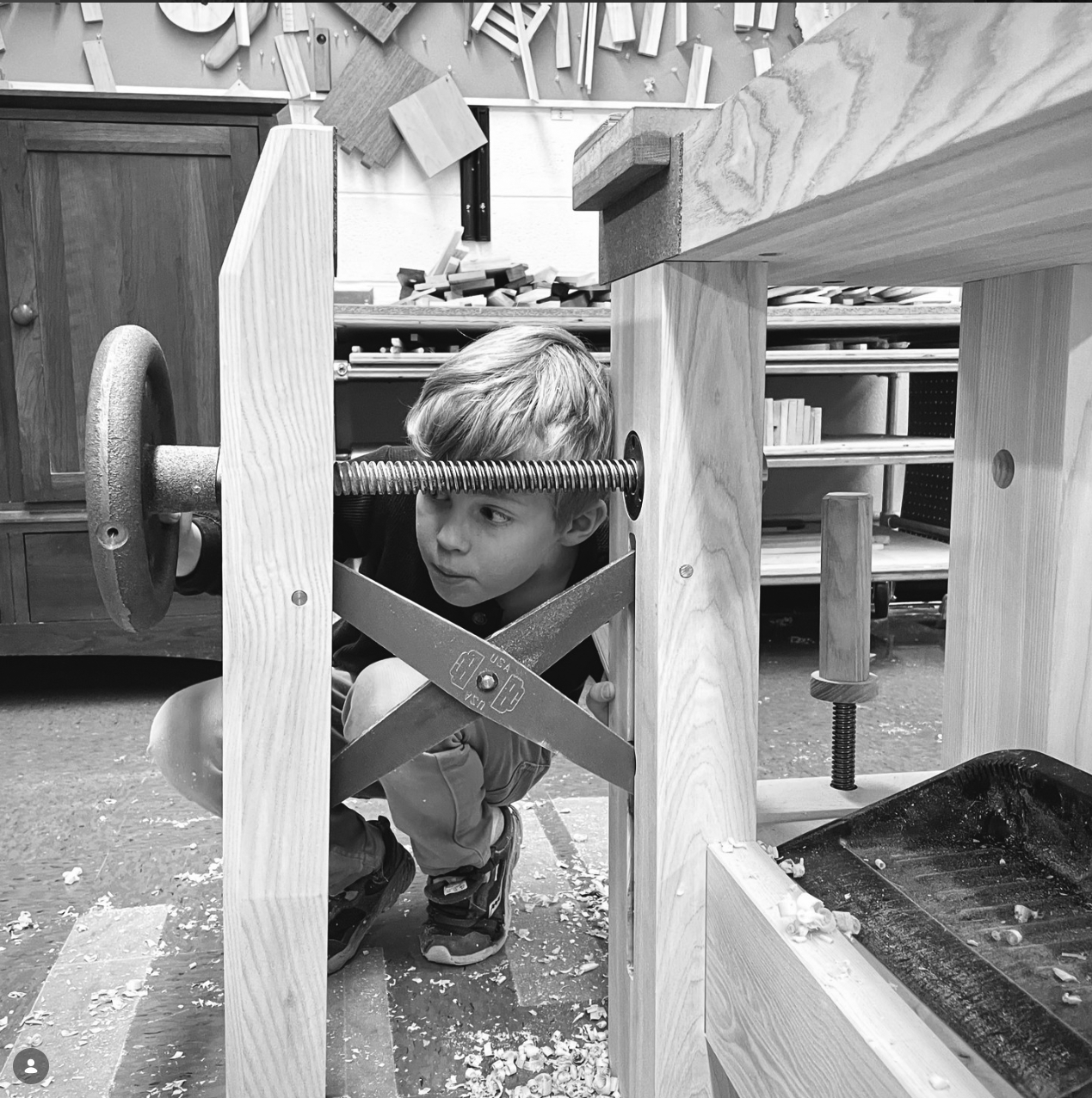
“Slöyd is my favorite subject.”
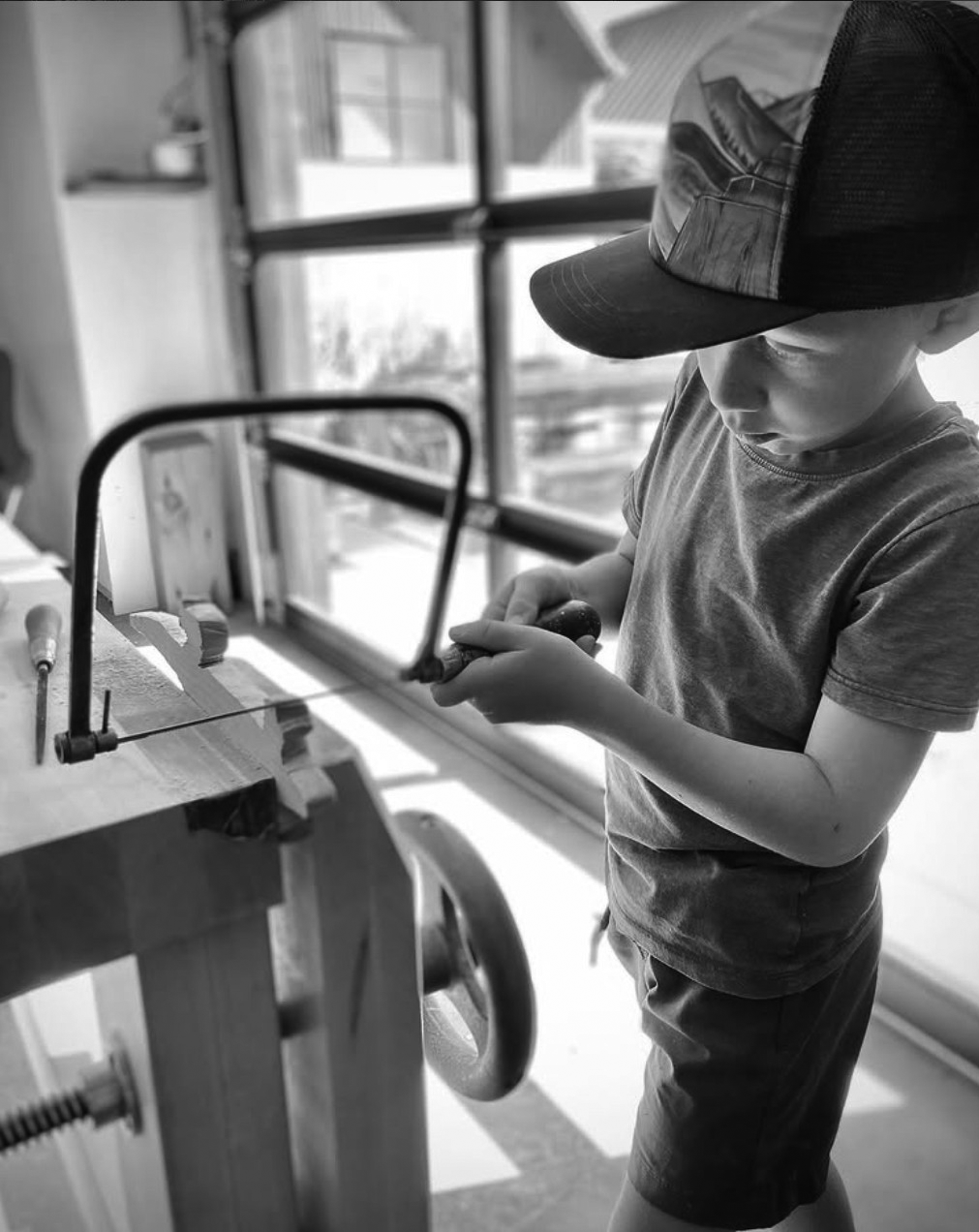
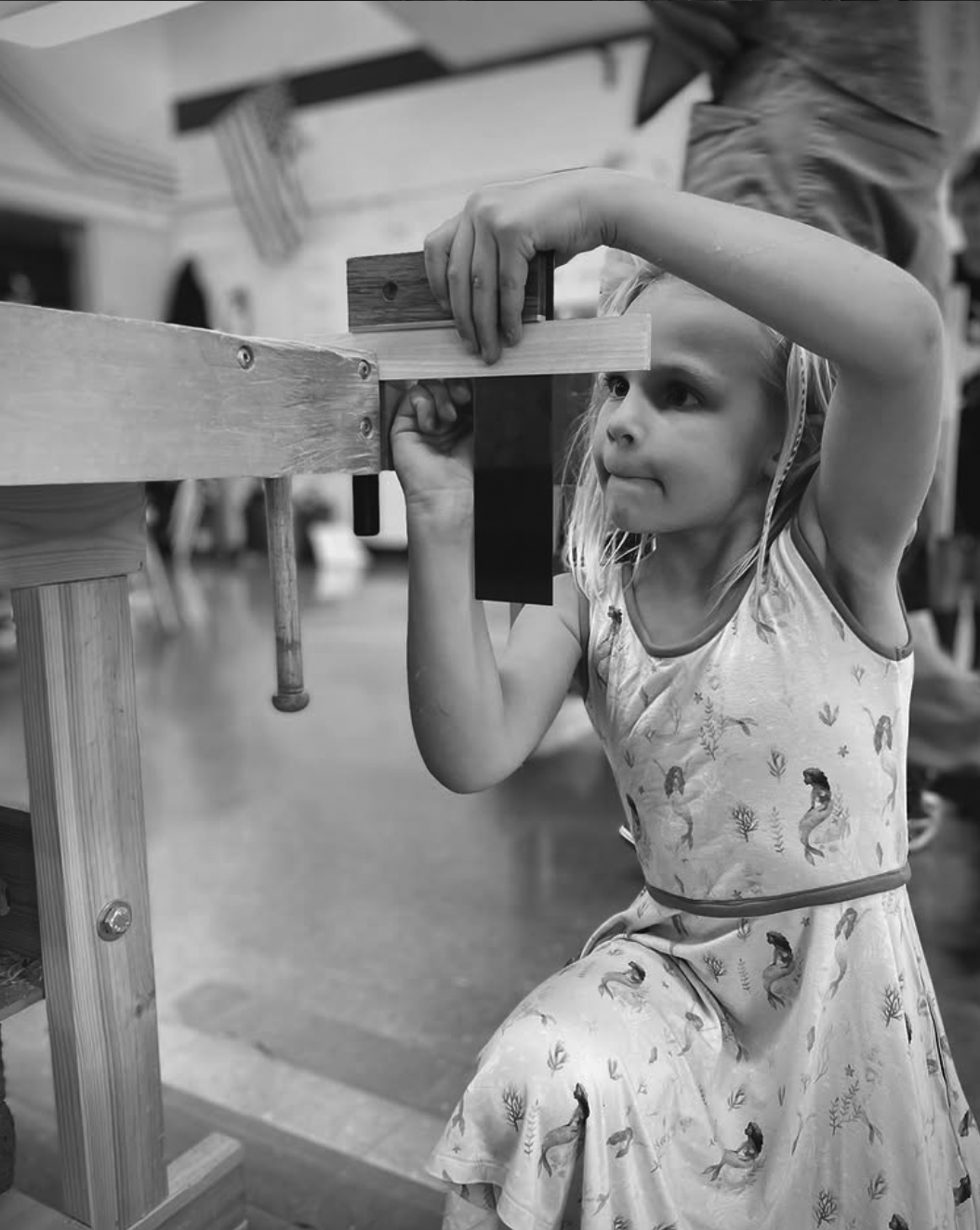
“Slöyd makes math more fun.”
“I learned mistakes are okay.”
-
Slöyd Experience offers a transformative woodworking journey meticulously tailored for students aged 6-14. Our program is not merely about woodworking techniques; it's a comprehensive initiative focused on fostering character development during critical formative years of development. Widely endorsed by educational professionals, our program offers students carefully structured curriculum and individualized instruction that emphasizes personal growth and a cultivation of life skills.The “social emotional lab” nature of the sloyd classroom provides an approachable environment for a diversity of student learning styles to have a chance to problem solve, overcome mistakes, and learn how to identify and manage emotions. Our program is designed to be rolling and completely individual in format so that each child can gain maximum benefit from the Slöyd Experience. Our student-to-instructor ratio is a maximum of 10:1 to ensure individual attention and safety.
-
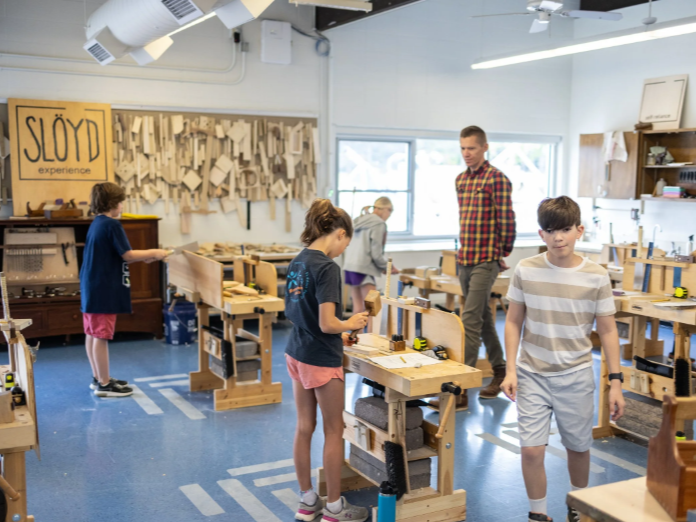
During every session, students immerse themselves in hands-on crafting at their customized workbench. Each is outfitted with a unique set of tools and materials, ranging from chisels and hand planes to saws and raw wood. Our adept instructors guide, demonstrating techniques and methodologies, but ensure the child's creation remains uniquely theirs. As they navigate the program, students tackle more intricate models, perpetually pushing the boundaries of their skills and personal growth.
-
Our program is fundamentally based on the renowned "Theory of Educational Slöyd" by Otto Salomon. A revered educational approach that has been foundational to Scandinavian teaching since the early 1800s, these principles remain integral in their education systems today.
-
The instruction must go from easy to difficult.
The instruction must go from simple to complex.
The instruction must go from the known to the unknown.
The teaching must lay a good foundation.
The teacher should possess education tact.
The teaching should be interesting in character.
The instruction should be intuitive in its character (i.e. it should be given as far as possible through the senses, especially touch and sight).
The teaching should be individual in nature.
The instructor should be a teacher and not an artisan.
-
The Teacher's Hand-book of Slöjd: As Practised and Taught at Nääs
By Otto Aron Salomon, Carl Nordendahl, Alfred Johansson
By Otto Aron Salomon
Elementary Sloyd and Whittling
By Gustaf Larsson
-
Established in 2019, Slöyd Experience is a unique and innovative nonprofit organization based in Louisville, Colorado, dedicated to providing an authentic, educational experience to youth. Through the simple act of "working with your hands," Slöyd Experience aims to promote educational completeness. Slöyd Experience is grounded in six core competencies that form the foundation of its mission:
Self-Reliance
Neatness
Perseverance
Concentration
Love for Labor
Resilience
Through these six competencies, Slöyd Experience empowers youth to become well-rounded individuals with a deep understanding of themselves and the world around them. By promoting authentic, hands-on learning experiences, Slöyd Experience is helping to bridge the gaps in our current educational system and provide a brighter future for the next generation.
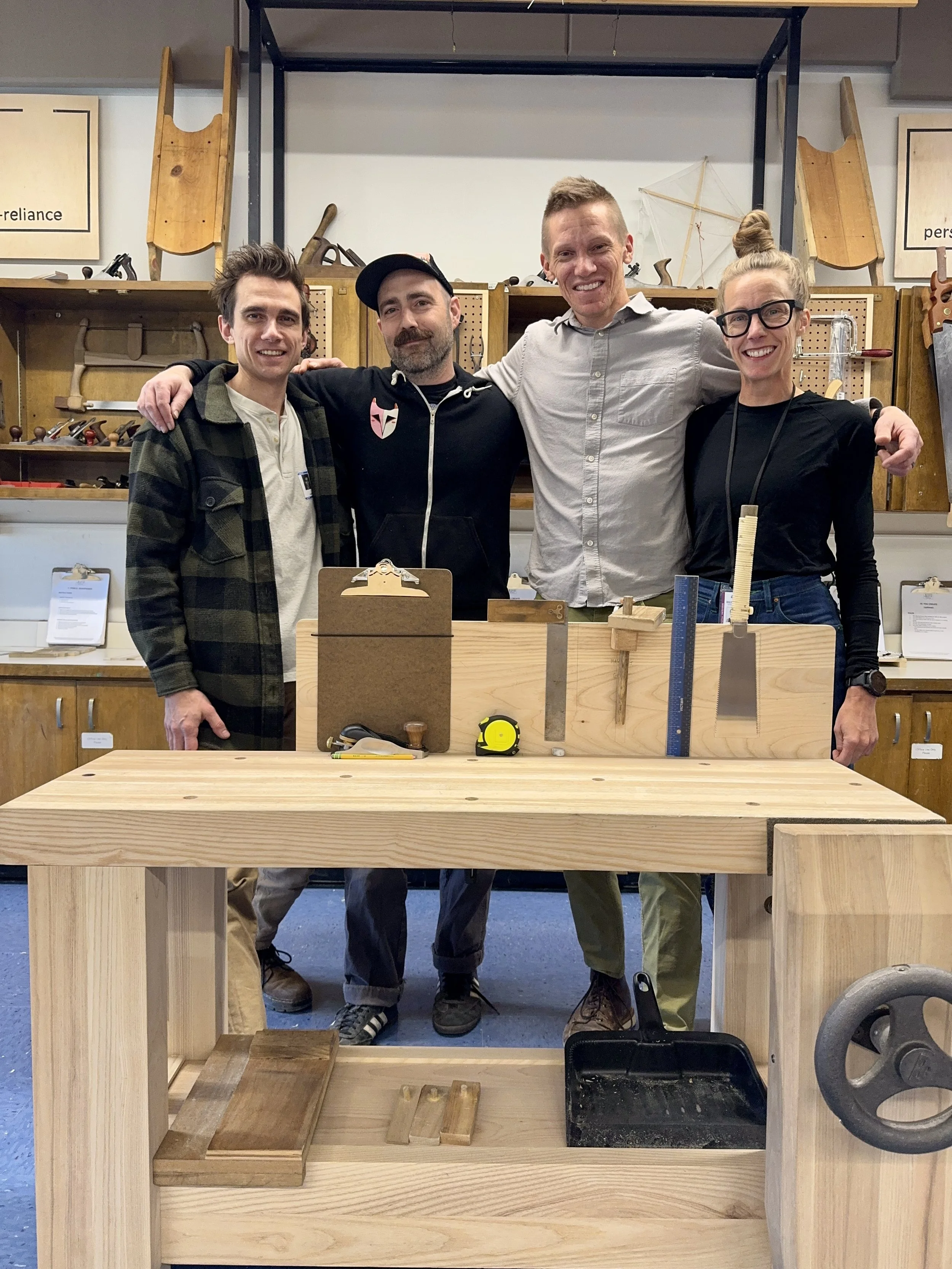
Portland, Oregon based Slöyd instructors Nicholas Maier and Gabriel Bruneau with Slöyd Experience co-founders Luke and Allison Johanson in their Louisville, Colorado classroom
The Six Core Competencies 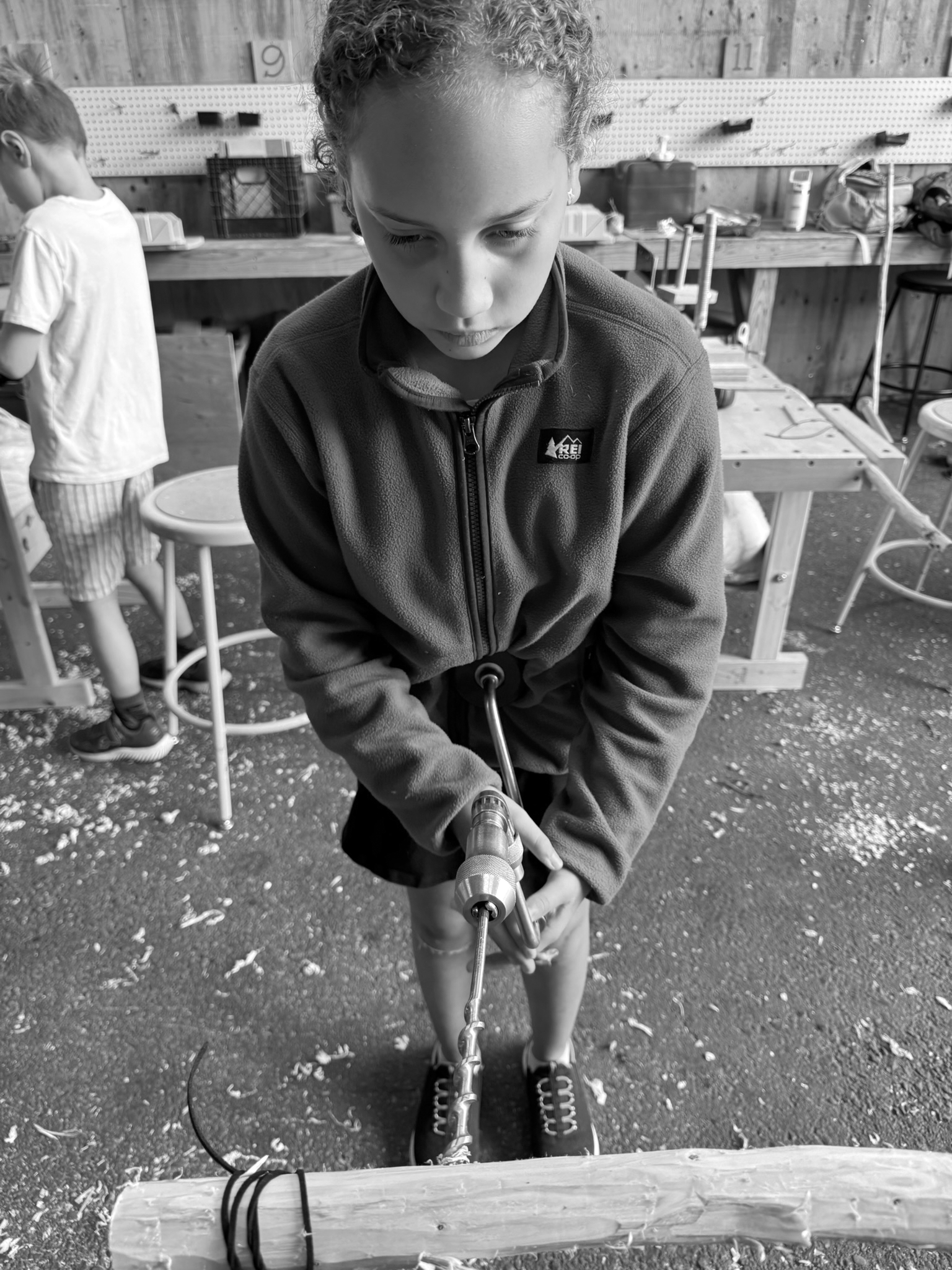
Self-reliance
We count on this visionary to define strategic priorities, allocate resources responsibly, and ensure every decision reinforces long-term value creation.
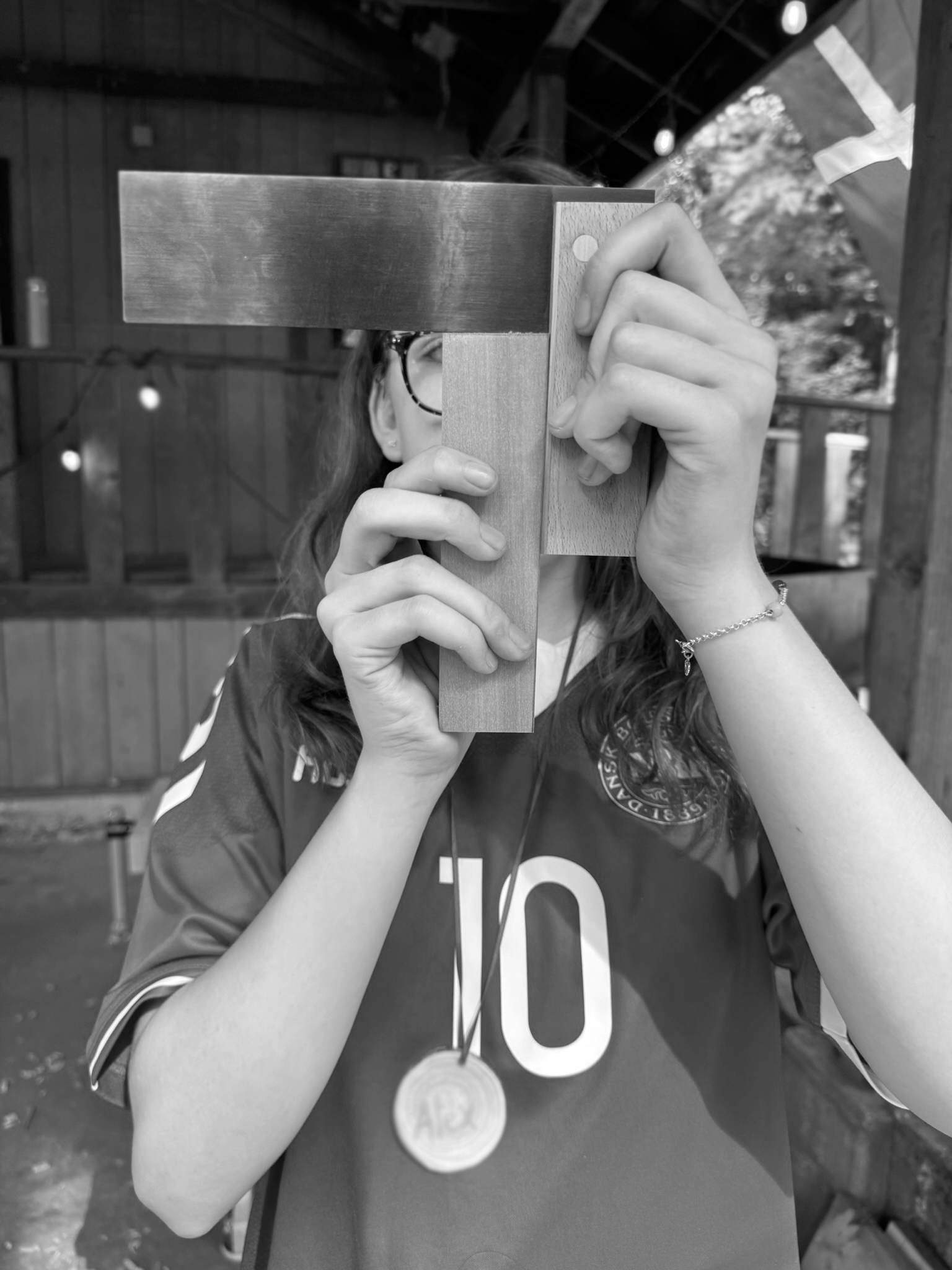
neatness
We trust this leader to synchronize production, logistics, and support functions, cultivating dependable processes that uphold our service commitments.
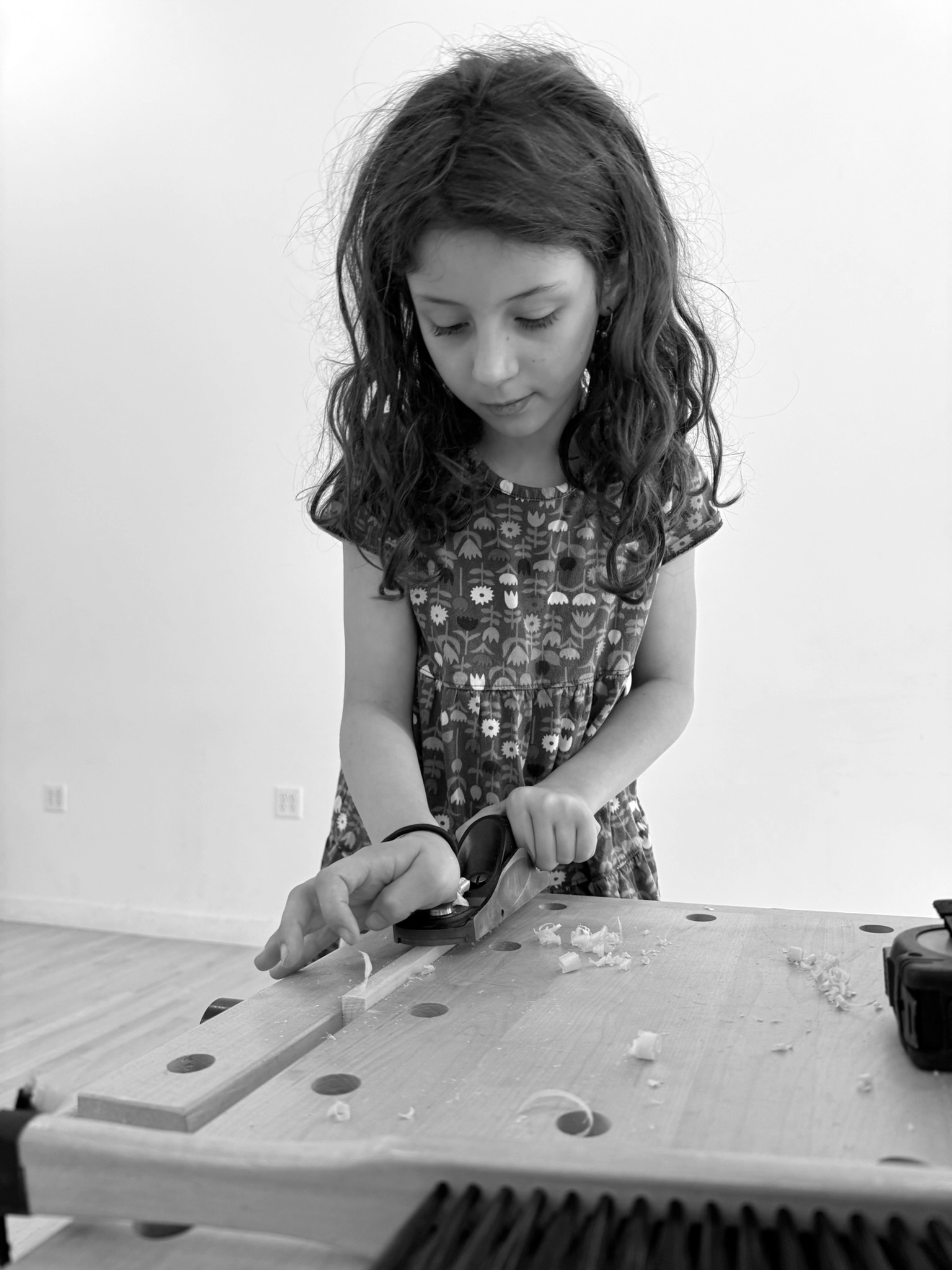
concentration
We trust this leader to synchronize production, logistics, and support functions, cultivating dependable processes that uphold our service commitments.

love for labor
We depend on this engineer to transform conceptual requirements into robust technical solutions that integrate seamlessly with existing infrastructures.

perseverance
We depend on this engineer to transform conceptual requirements into robust technical solutions that integrate seamlessly with existing infrastructures.
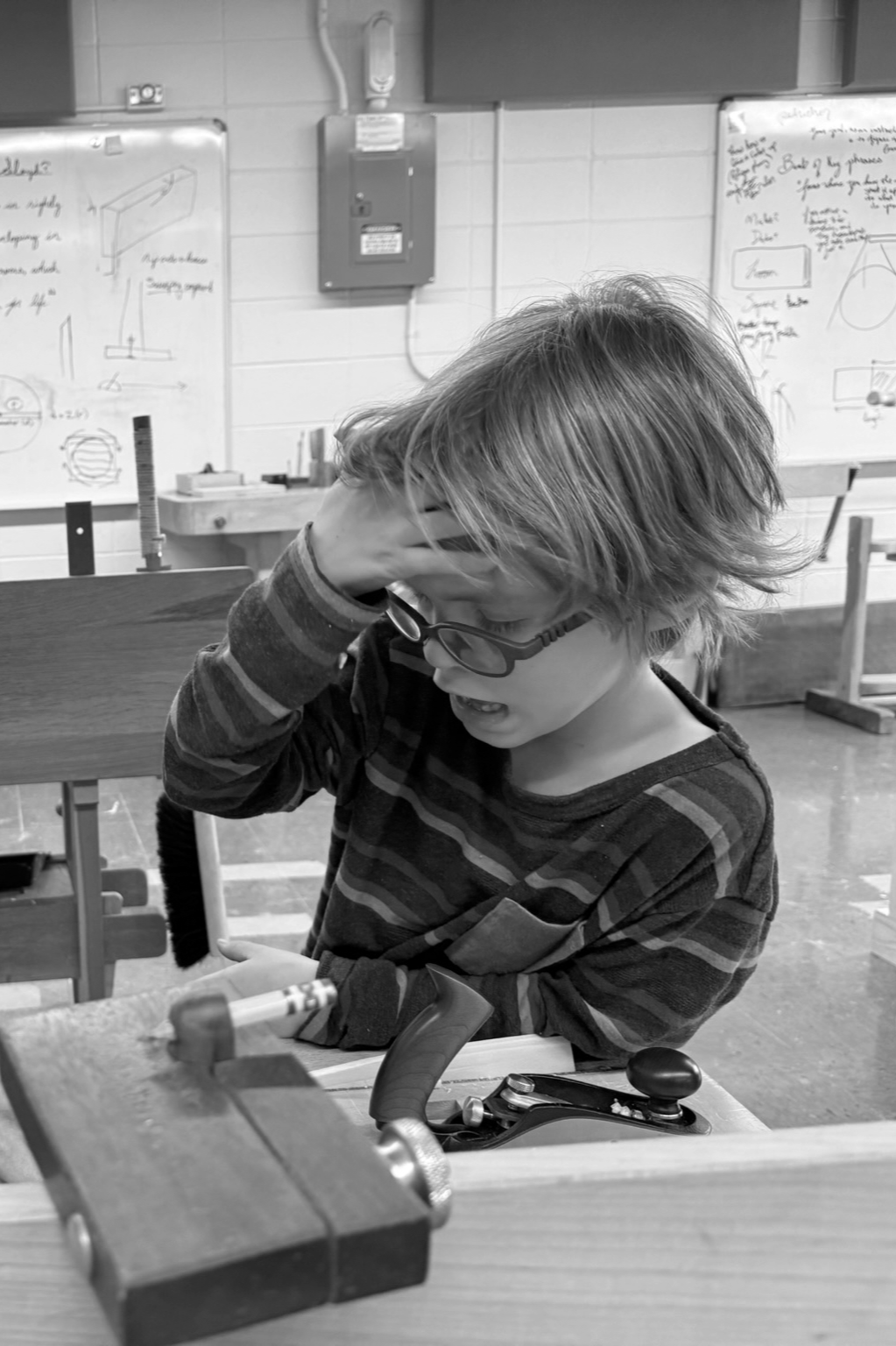
resilience
We count on this visionary to define strategic priorities, allocate resources responsibly, and ensure every decision reinforces long-term value creation.
FAQs
-
Students must wear closed toed shoes during their sessions
Students should bring a water bottle
All students will work at an independent pace through the curriculum and receive individual instruction
The program is designed to progressively incorporate new skills and tools as the curriculum advances into more complex models. Your child might not complete a project at every session.
-
1002 SE 8th Ave, Portland, OR 97214
Our program is located at IdeaWorks in southeast Portland at the intersection of SE 8th and Yamhill.
Street parking is usually available within a block or two of the woodshop and there is a truck loading zone on Yamhill you can park in temporarily for drop-off or pick-up
If the weather is good, our garage door will be open either in the front of the building on 8th Ave or the garage door on Yamhill, facing the empty lot across the street
Either go through the double doors into the woodshop or take the step up directly inside the roll-up door
Visit our About page for information on the building and neighborhood
-
Students must wear closed toed shoes during their sessions
Students should bring a water bottle
All students will work at an independent pace through the curriculum and receive individual instruction
The program is designed to progressively incorporate new skills and tools as the curriculum advances into more complex models. Your child might not complete a project at every session.
-
Students will…
Link to family welcome letter
Link to Forms to Fill Out
Link to Sloyd Exp
Our methodology-
Fostering essential life skills and values.
-
Encouraging problem-
solving and craftsmanship. -
Diverging from traditional teaching methods.
-
Guidance from seasoned educators instructors.
-
A safe and nurturing educational environment.
-
Bridging gaps in
conventional curricula. -
Supported by University partners.
-
A thorough intro to the craft's artistry.
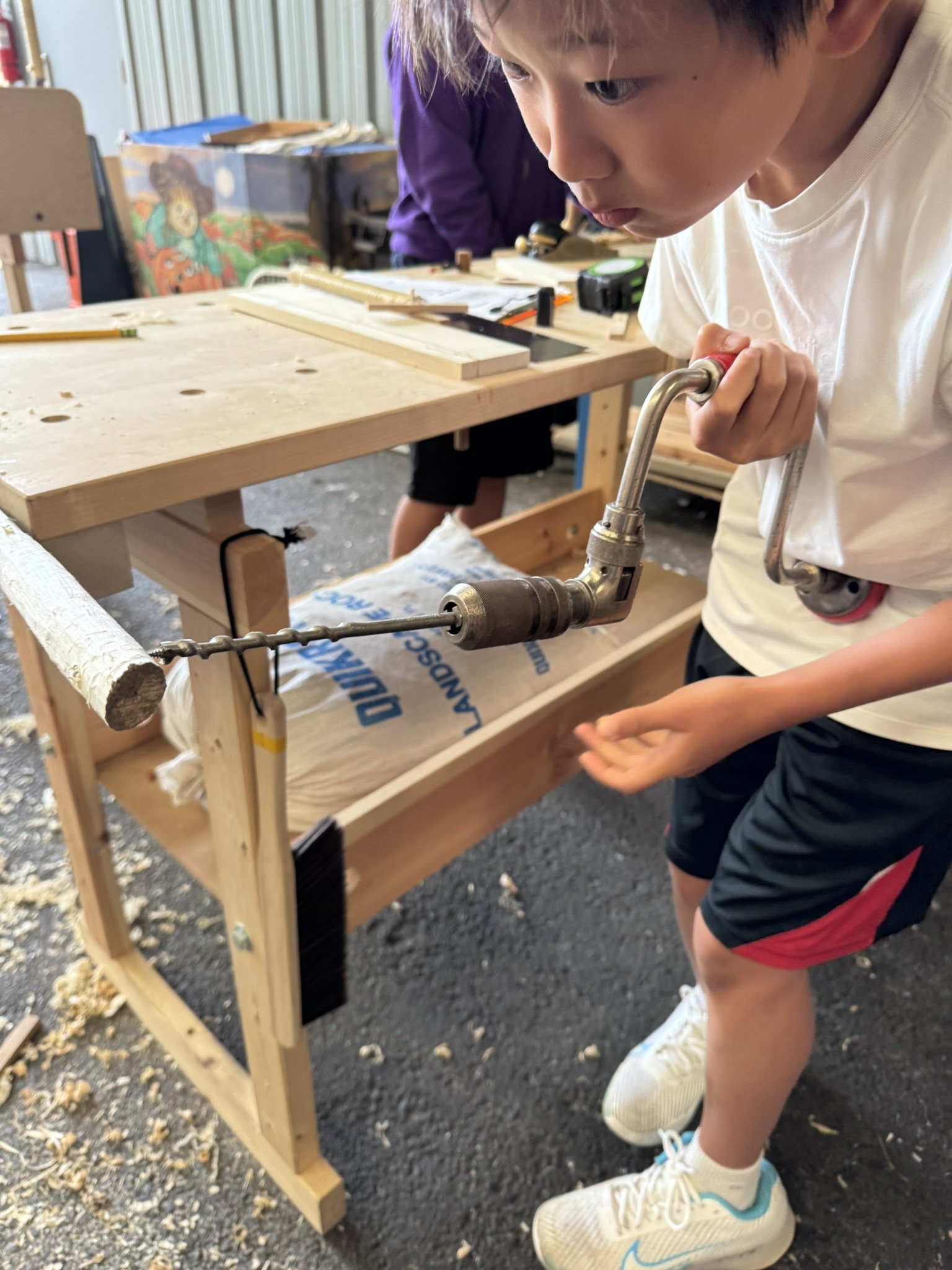
living tradition
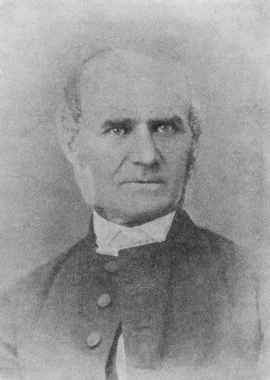
UNO CYGNAEUS & OTTO SALOMON
Educational Slöjd emerged in Finland in the 1860s, largely through the work of Finnish educator Uno Cygnaeus (1810–1888), who believed handicraft should be part of general education rather than vocational training alone. Influenced by Pestalozzi and Fröbel, Cygnaeus argued that “head, hand, and heart” should be educated together; in 1866, Sloyd became a required subject for boys in Finland’s folk schools.
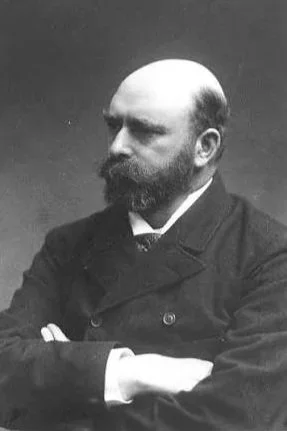
In Sweden, Otto Salomon (1849–1907) developed these ideas further at Nääs, establishing a teacher-training program in the 1870s that eventually attracted thousands of educators from around the world.
The handbook
At Nääs, Salomon developed Sloyd into a systematic pedagogy based on progressive exercises, individual instruction, purposeful work, and the educational value of making. His The Theory of Educational Sloyd (1892) organized the philosophy around aims such as training the eye and sense of form, developing attention and perseverance, and cultivating “love of labour”—with the explicit distinction between class teaching and individual teaching, and between the teacher and the tradesman.
Scandinavian education
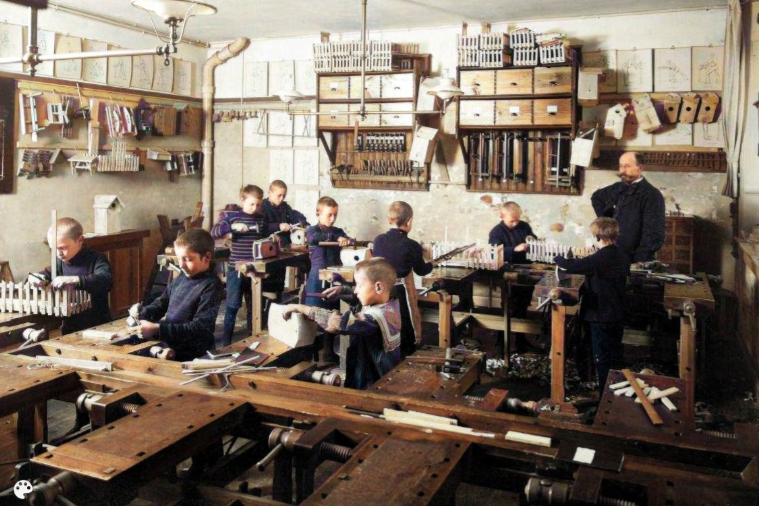
By the late nineteenth century, Sloyd had become an important part of elementary education across Finland, Sweden, Denmark, and Norway, where handicraft was understood as a means of developing practical intelligence and character rather than simply teaching a trade. Its central principle was succinctly expressed by one contemporary advocate: “The aim must be educational, not technical.” The emphasis was on systematic, age-appropriate work in which the student developed judgment, precision, independence, and self-discipline through the hands.
slöyd comes to america
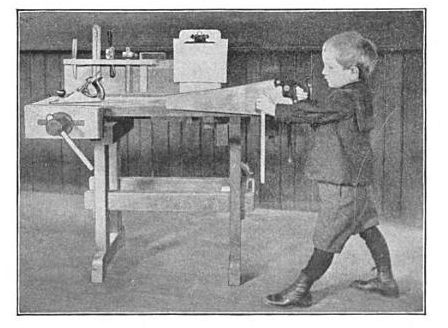
Born in Finland, Meri Toppelius was the first to introduce the sloyd system in the United States in the 1880s but most successfully through Gustaf Larsson, a Nääs-trained teacher who arrived in Boston in 1888 and established a Sloyd program that same year within the North Bennett Street School (which is still in operation today.
His approach adapted Swedish Sloyd to American children while retaining its progressive sequence and educational purpose; during its first year, the Boston program served more than 140 students, including children, teachers, working women, and students at the Horace Mann School. By the early twentieth century, Sloyd had influenced the American manual-training and industrial-arts movements, and Larsson's Elementary Sloyd and Whittling (1906) helped bring the method into wider American use.
the revival
After largely disappearing from American schools during the twentieth century, educational slöyd began a new chapter in 2019, when Luke and Allison Johanson founded Slöyd Experience in Louisville, Colorado. Drawing directly from Otto Salomon’s Theory of Educational Slöyd and the Nääs tradition, they sought to restore Sloyd as a form of character education rather than simply woodworking instruction—using purposeful, progressive handwork to cultivate self-reliance, concentration, perseverance, resilience, neatness, and a love for labor.
Slöyd Experience has since developed instructor trainings and educational partnerships designed to carry the Nääs tradition into contemporary classrooms, with connections to Sloyd educators and university researchers in Finland, as well as international practitioners including Brazilian Sloyd educators. Its training model combines hands-on instruction with curriculum, classroom design, tool guidance, and ongoing exchange of research and practice, creating a growing international community around Educational Sloyd. Skillcraft Institute trained with Slöyd Experience in 2026 and is bringing this living tradition to Oregon.